

I have many blog posts, and I have many conversations about when saving for retirement to use your employer sponsored 401(k) retirement plan. I do sometimes forget that not everyone has access to a workplace retirement plan. Did you know that there are nearly 57 million workers in the U.S. that don’t have access to a retirement plan at work? That’s kind of a big deal because we know that saving for retirement is wicked-important for financial stability later in life.
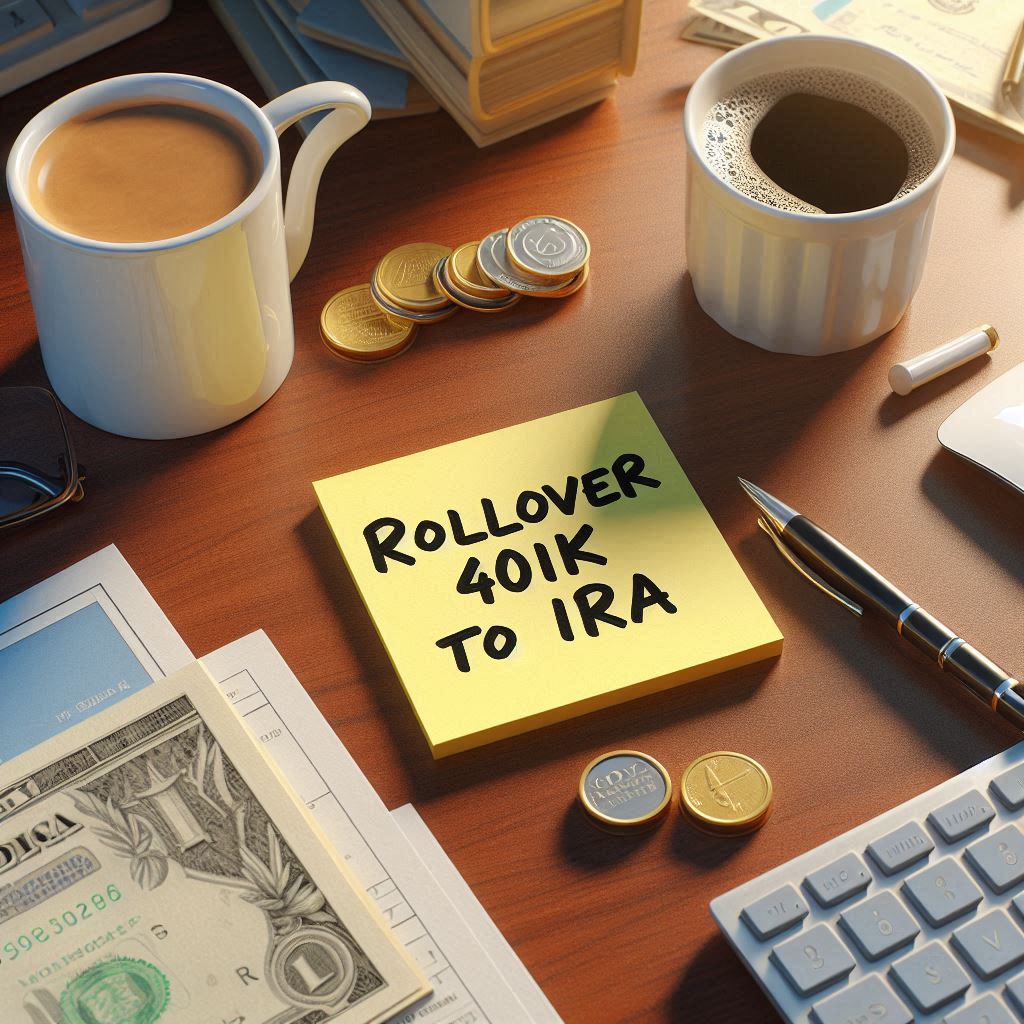
But check it out! IRAs can be use to save and invest in your retirement when an employer-sponsored 401(k) isn’t an option. In fact, IRAs have helped millions of U.S. workers save over $1.7 billion in retirement savings in recent years! So let’s break down how IRAs work, the different types that are available, and how you can use one to invest in your retirement savings. You can do this all on your own, without a workplace plan. Let’s F’n Go!
What is an IRA?
An IRA stands for an Individual Retirement Account. This is a tax-advantaged investment account specifically designed to help you save for retirement. Unlike a 401(k) plan, which is set up by an employer, an IRA is something you set up and manage on your own.
With an IRA, you can invest in a variety of assets, including:
- Stocks
- Bonds
- Mutual funds
- Exchange-traded funds (ETFs)
- Real estate investment trusts (REITs)
IRAs offer some tax advantages. This makes them a great way to save for retirement. The money you invest in your IRA account can grow tax-free or tax-deferred, depending on the type of IRA you choose.
There are some different types of IRAs, but the most common ones are the Traditional IRA and Roth IRA. Each has its own benefits, so it’s important understand the differences and to choose the one that best fits your financial situation and goals. Regardless of what type of IRA account you choose, there is an annual contribution limit and they max out at $7,000 per year, or $8,000 per year using catch-up contribution if you’re over the age 50.
So, keep in mind that there are contribution limits on how much you can put into these accounts. Let’s dig in to some of differences of these types of IRAs.
A Traditional IRA
Let’s start with a Traditional IRA. This type of IRA lets you contribute pre-tax income to the account. This means the money you contribute into your IRA would then reduce your taxable income for the year. Then, the money you’ve contributed into the account grows tax-deferred until you withdraw it in retirement. Typically over the the age 62. In other words, you pay the tax when you withdraw the money in retirement. Some of us will be in a lower tax bracket in retirement, since we will not be working and have little earned income.
Another important thing to keep in mind about these traditional IRA accounts is that you have to start taking what are called RMDs, or Required Minimum Distributions beginning at age 73. These withdrawals are required by the IRS so that they eventually get their tax. Grrrr…
How much you withdraw depends on your age and the amount you’ve contributed.
As we mentioned not only is this may be best for people who expect to be in a lower tax bracket in retirement, but also want to reduce taxable income now.
A Roth IRA
Okay, the next type of account is called a Roth IRA. With this type of IRA, you actually contribute after-tax money. This means you won’t get a tax deduction upfront to lower your income. But, your investments grow tax-free, as well as any of the withdrawals in retirement are also tax-free. BONUS!
You can also withdraw from your Roth IRA tax-free if taken after age 59½ as long as the account is at least five years old.
Unlike those Traditional IRAs, Roth IRAs don’t require you to take money out during your lifetime. There are no RMDs with a Roth IRA. This could be a great option if you want to pass on your savings to your loved ones, as it’ll keep growing.
This type of IRA account might be a better fit for younger workers or those who maybe expect to be in a higher tax bracket in retirement. And of course, anyone who values tax-free growth. I mean who doesn’t?
How To Set Up and Fund an IRA
1. Choose Where to Open Your IRA: You can open an IRA at a full-service broker (like Fidelity, Vanguard, or Schwab) or a robo-advisor.
2. Select Your IRA Type: If you want an immediate tax break, choose a Traditional IRA. If you prefer tax-free withdrawals later, choose a Roth IRA.
3. Fund Your IRA: Remember, there are annual contribution limits (in 2025, it’s $7,000 or $8,000 if you’re 50 or older). You can contribute a lump sum, monthly, or through payroll deductions.
4. Invest Your Funds: Your IRA isn’t just a savings account—it’s an investment vehicle. Consider investing in index funds for long-term growth.
TIP: When you fund account you typically are transferring your money from your checking account or savings account into some sort of holding account what may a money market account where the funds are here as cash. You still need to select and invest the money some sort investment like index funds we mentioned earlier. You may want to balance your investment with dividend stocks for income, and some bonds for stability. This is a key step that many people miss when first opening and funding their own IRA.
We All Start Somewhere
I totally get it! Not everyone can max out their IRA every year. If you are just starting out and If money is tight, here’s how to still make progress. You can do this!
- Start Small: Even $50/month can add up over time.
- Automate Contributions: Set up auto-transfers to build consistency.
- Use Windfalls: Tax refunds, bonuses, or side hustle income can help.
- Take Advantage of the Saver’s Credit: If you earn under a certain threshold, you may qualify for a tax credit of up to 50% of your IRA contributions.
Alternatives to IRAs If You Have No 401(k)
An IRA is a great start, but it’s not the only way to save for retirement if your employer doesn’t offer a plan.
1. Health Savings Account (HSA)
If you have a high-deductible health plan, an HSA allows tax-free contributions, tax-free growth, and tax-free withdrawals for medical expenses—and it can double as a retirement savings tool.
2. SEP IRA or Solo 401(k) (For Self-Employed Individuals)
If you have side income or work for yourself, you can open what’s called a SEP IRA or Solo 401(k) and you can contribute a crap-ton more than you can in a Traditional or Roth IRA allows.
3. Brokerage Account
Though not tax-advantaged like an IRA, Let’s not forget about a standard brokerage account. With a brokerage account it gives you unlimited contribution limits and full access to your money anytime.
The Future of IRAs: State Auto-IRA Programs
If your employer doesn’t offer a retirement plan, depending where you live there are also some state-sponsored auto IRAs that could be a great option. Seventeen states, including California, Illinois, and New York, have programs that automatically enroll workers in a Roth IRA if their employer doesn’t have a 401(k), with more states with program currently in development.
Studies show these programs totally boost retirement savings rates by 55% among low-to-middle-income earners. If you live in a state with an auto-IRA, check if your employer is part of it.
Take Control of Your Retirement Today
Even if you don’t have access to a employer sponsored 401(k), don’t worry! An IRA can be a fantastic way to build wealth over time. With the tax benefits and flexible investment options, you can choose a Traditional IRA for tax-deferred growth or a Roth IRA for tax-free withdrawals. The key is to start now.
Your future self will hold those horns up high and thank you! \m/ \m/
Chris is correct, everyone should have a retirement account. Start small if you need to and build from there. Chris continues to post his wisdom and give us practical thing we can do to make our retirement stress free.